Bail reform did not arise in a vacuum. It outgrew court dockets packed with low‑level situations, area prisons crowded with people that were legitimately innocent, and a growing record of research study showing that also a couple of days in custody can upend a life. For the bail bond market, which sits between a judge's order and an offender's front door, these changes have actually been both turbulent and clearing up. The ground has actually shifted under a service model improved money bail, threat assessment by human brokers, and an internet of financial guarantees and court looks. The tale is extra nuanced than champions and losers. It has to do with just how plan selections rebalance danger, expense, and responsibility throughout courts, taxpayers, defendants, victims, and Bail Bonds firms that long functioned as the lubrication in a creaky system.
How we obtained here
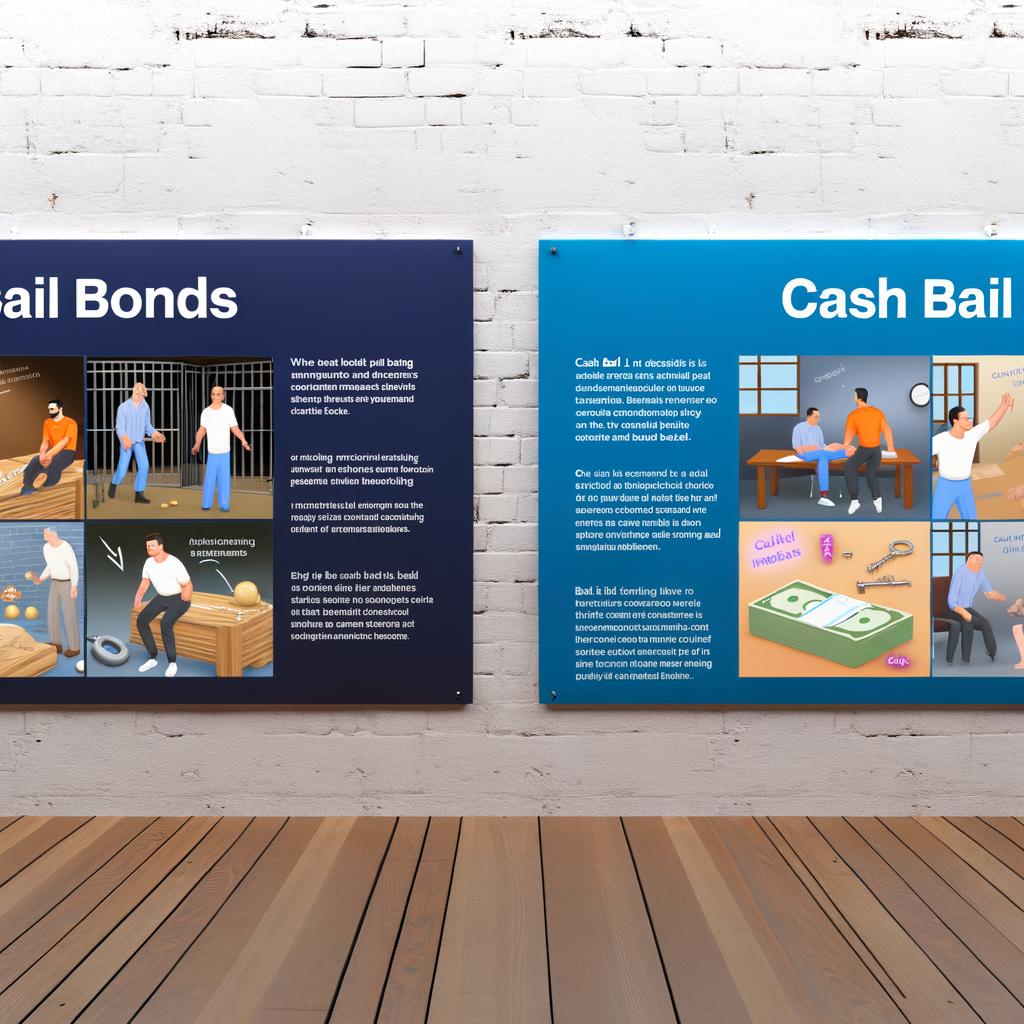
For years, money bond operated as the default bar for pretrial launch. Judges established an amount, defendants posted it in cash money or through a guaranty, and courts returned the money after the situation wrapped up if the person appeared. Where offenders can not pay, a bail bondsman assessed the risk, charged a nonrefundable cost, and guaranteed the court that the defendant would appear. In numerous jurisdictions that implied a ten percent premium, co‑signers with steady tasks, and in some cases collateral like a car title. It likewise implied telephone call, reminders, and, when required, a knock on a door at 5 a.m.
By the mid‑2010s, placing evidence revealed that wealth, not danger, commonly determined that waited behind bars. Large counties located that majority of their jail populations contained pretrial detainees, several held on quantities under a few thousand bucks. Researches in position like New York City, New Jersey, and Harris Region, Texas showed that short pretrial apprehension boosted guilty appeals and got worse long‑term results without clearly boosting public safety. Civil rights suits, budget plan pressure, and a change in prosecutorial top priorities produced a wave of reforms. Some states passed sweeping statutes. Others trying out pilot programs, threat analysis devices, and court tip systems.
What reforms in fact changed
"Bail reform" is a catch‑all, yet there stand out levers that specifies and areas have drawn, each with a different impact on Bail Bonds and pretrial practice.
- Categorical release. Lots of systems developed anticipations of launch for low‑level, pacifist charges. Police officers or magistrates issue look tickets or release people from districts instead of transporting them right into main booking. In these instances, money bond is not considered, which eliminates the bondsman from the procedure entirely. Limits on cash bond. Some legislations limit using financial bail to defined offenses or require judges to consider a defendant's ability to pay. Others require a finding that no non‑monetary problem will sensibly ensure appearance. Risk assessment and supervised release. Territories took on devices that score flight threat and new criminal task possibility. Courts after that impose tailored conditions like check‑ins, time limits, or treatment instead of cash bail. Court pointers and logistics. Texting systems, calendar integration, and transportation support raised look prices. Evidence from several areas reveals reduction in failure‑to‑appear when accuseds obtain basic pointers, which transforms the calculus around the need for a monetary stake. Speedy arraignment and testimonial. Faster preliminary looks and automatic bail reviews reduce the size of pretrial apprehension and the regarded need to upload quickly, again dampening need for surety bonds.
These shifts appear daily. A bail bondsman who once got phone calls from family members every Friday evening now sees less eligible cases. Those that do call are usually facing higher‑severity charges or have histories that trigger judicial caution. The typical bond size in some markets rose also as the quantity dropped, which produces danger concentration for guaranty business and agents that should make a decision whether to lock up even more capital in fewer files.
Where the influence is most visible
Volume is the headline, however the ripple effects run deeper. Bail Bonds companies sit at a joint of monetary risk monitoring and social work. Reforms transform both sides.
Markets with specific release for low‑level offenses see the sharpest decrease in small bonds. In those places, the "bread and butter" DUI or shoplifting bond at $1,500 to $5,000 becomes limited. Agencies that rely upon high turnover and thin margins lose predictable cash flow. Meanwhile, cases that still require bond alter toward felonies with complicated fact patterns and greater trip motivations. The underwriting concern shifts from "Can this household cover a $150 costs and show me a pay stub?" to "Do I intend to place $50,000 of my surety line in jeopardy on an accused dealing with a second‑degree break-in with a previous failure‑to‑appear?" That is a various business.
Geography issues also. Statewide reforms can play out differently region by region. A country region with limited pretrial solutions may still use cash bond to bridge voids. A big city region can lean on durable supervised release programs and information systems. Bondsmen in mixed markets currently operate a jumble, adapting types, prices, and staffing by court house. The irregularity adds management lots and lawful danger. Representatives that once functioned under a stable collection of standards now track neighborhood policy adjustments in genuine time, https://landenvnui564.iamarrows.com/bail-bonds-for-attack-and-battery-situations develop brand-new partnerships with pretrial offices, and change intake manuscripts to reflect what judges now get out of launch plans.
Finally, collections and forfeiture method have transformed. When court look rates boost as a result of suggestions and transportation, there are fewer bond forfeitures. That appears excellent, but it also suggests less fees recuperated through the old model of chasing missed out on court dates. On the other hand, when a failure‑to‑appear occurs on a high‑amount bond, the risks for the surety are bigger. The disproportion means bail bondsmans need stronger capital buffers and sharper investigative partnerships to take care of spikes.
What the data claims, and what it does n'thtmlplcehlder 48end. The proof base is unpleasant. New Jersey famously eliminated most pay bail in 2017 and changed it with a risk‑based system. The state's judiciary reported sharp decreases in the pretrial prison populace with appearance and new criminal task prices that continued to be relatively steady in the very early years. New York established broad bail limitations in 2019, after that changed them in 2020 and 2022 after extreme public argument concerning specific situations and worries from courts and police. Some counties revealed improved appearance prices with easy tip systems. Others battled to coordinate services. Two points are consistent throughout studies. Initially, reminders and basic logistical assistance decrease failures to show up. That is not surprising to anybody who has posted bonds for people managing per hour tasks and day care. Second, a little cohort of cases drives the most failings and new arrests during release. That mate is the one probably to stay under financial bail or stringent guidance in changed systems, which is precisely where the personal guaranty market can still include worth if the guidelines allow it. Where the information is much less definitive is on crime spillover. Many insurance claims concerning bond reform triggering criminal activity spikes conflate connection with causation, or count on brief time frameworks and thrilling narratives. Criminal offense patterns in 2020 to 2022 moved with pandemic disruptions, policing degrees, and social stress. It is difficult to isolate the effect of bond policy because mix. Policymakers and market professionals ought to watch multi‑year, methodologically transparent researches and deal with headline insurance claims with caution. The changing value recommendation of a bondsman
At their best, bail bondsmans do three points the general public market struggles to do well at scale: they assess danger at a granular, personal degree; they create accountability through cash and relationships; and they offer wraparound support that is pragmatic rather than bureaucratic. Reform tests the initial 2 pillars due to the fact that the legislation currently assumes that low‑risk cases do not require financial liability. The third column comes to be even more important.
A skilled agent recognizes to call an accused two nights prior to court, not simply the morning of. They understand which granny in fact runs the family and which cousin has the auto. They understand that a bilingual pointer doubles participation for a specific household. Under reform, that ability can remain relevant as a service instead of a result of a financial tool. Some firms have actually begun supplying appearance assistance contracts to defense lawyer or families also when no surety is needed. Others companion with neighborhood groups, offering useful help like bus passes or message suggestions in Spanish and English. These offerings do not replace the profits of a robust bond docket, but they maintain the firm present in the pretrial ecological community and open new lines of business.
Underwriting, meanwhile, ends up being a lot more specialized. Rather than churning small bonds, agents concentrate on less, larger threats. That calls for much better information on regional failure‑to‑appear rates by fee and judge, more rigorous co‑signer screening, and clearer forfeit methods with surety firms. Charge structures might change. A flat 10 percent costs rarely catches the threat on a $150,000 fierce felony bond in an area with changing regulations on exoneration and amount of time for generating an accused after a miss. Agencies that make it through the transition have a tendency to document nonfinancial controls also: general practitioners conformity, check‑in timetables, and sychronisation with protection counsel.
Trade offs policymakers battle with
I have endured hearings where a target's household asked why an individual with prior failings to appear walked out without paying a dollar. I have additionally stood in lobbies with mothers counting money for a bond on an offense that was likely to be dismissed. Designing a system means challenging those contradictions honestly.
Cash bond does two things at once. It stress attendance and it screens by wide range. Reforms try to preserve liability while lowering wide range discrimination. There are noticeable stress. If we depend more on non‑monetary problems, we need to invest in human supervision. That costs taxpayers cash in advance. If we keep economic guarantees for higher‑risk cases, we should approve that personal stars will make money and that some family members will pay nonrefundable fees also when the underlying cost is rejected. If we eliminate bail throughout the board for low‑level situations, we ought to anticipate a minor increase in missed appearances unless we likewise implement reminders and versatile scheduling. Real systems mix devices and determine end results, readjusting based on neighborhood requirements instead of ideology.
Another trade‑off beings in judicial discernment. Some reforms narrowed discretion to curb irregular methods and decrease predisposition. Others restored discretion after high‑profile cases trembled self-confidence. Uniform guidelines create predictability for Bail Bonds companies and offenders, yet they can misfit edge cases. Discretion permits customized decisions, but it can revitalize unequal treatment. In regions where judges point out public security to establish high bail amounts on borderline instances, the surety market stays active but volatile. Agencies should plan for lawful whiplash as appellate decisions and legal tweaks alter standards.
What family members and accuseds need to understand now
From the point of view of individuals browsing the procedure, the reforms can be confusing. One sibling is launched on a workdesk look ticket for a shoplifting situation. An additional relative faces financial bond on a theft that sounds comparable. The distinction might be criminal history, a missing out on address, a different county, or a brand-new statute reliable last month. Clear details prevents panic and bad decisions.
If you are a member of the family trying to assist somebody out, start by comprehending whether the case comes under a classification that anticipates release without money. Ask the accusation lawyer directly. If monetary bail is likely, get in touch with two or three accredited Bail Bonds agencies and ask about their underwriting requirements for the cost in inquiry. Excellent agencies currently discuss the regional reform landscape in advance, consisting of whether managed release is an alternative. Be prepared to offer employment confirmation and evidence of residency for co‑signers. If you are evaluating whether to upload money or utilize a bond, ask the notary concerning the timeline to return money after instance personality, and think about the practical support a bondsman can offer in tips and coordination.
For offenders, the solitary most important advice continues to be fundamental: maintain your phone number active, read every date on the launch paperwork, and call your attorney if something changes in your timetable or address. Under reformed systems, a missed court day is not constantly deadly if you act rapidly. Numerous courts currently allow volunteer surrender to clear warrants within short home windows, which can avoid bond loss and new fees. Interaction is the money that changes cash in these systems. Usage it.
How Bail Bonds business are adapting
The resilient agencies develop in three directions.
- Niche underwriting and funding self-control. They focus on particular fee kinds and courts where they understand the gamers and the patterns. They companion carefully with surety insurance providers to adjust limits and generate auditable data that endure forfeit competitions. They diversify revenue by providing monitoring logistics or translation solutions for counsel. Technology that complements connections. Not glossy apps for their own sake, yet easy systems that send multilingual tips, map court house entries, and capture co‑signer documents safely. The device needs to sustain what the agent currently does instinctively: maintain people arranged and accountable. Policy literacy and neighborhood visibility. They show up at region meetings where pretrial programs are made. They discuss, without grandstanding, how monetary rewards and human contact work with the margins. They approve that low‑level quantity is gone, then aid form methods for the situations that still need a monetary backstop.
Agencies that increase down on the old manuscript, waiting on the phone to ring and providing just a charge quote, will maintain shedding relevance. Those that insist reforms are a short-lived political craze will miss durable shifts in public opinion and court practice.
Edge situations that keep everyone up at night
Reform can not be judged just by averages. Edge instances reveal stress and anxiety points.
Consider the defendant with mental wellness challenges who cycles with petty offenses. Under reform, they are frequently launched without cash, with a reference to solutions that are underfunded or overbooked. They miss out on court, not due to the fact that they plan to leave, yet due to the fact that their life is disorderly. In the old system, a bondsman may have supplied rides and relentless reminders due to the fact that a loss hung over their head. Currently, missing that financial link, the court counts on public pretrial solutions, which might be extended. This is precisely where partnership can help: a county contracts with exclusive firms to give pointers and transportation at a portion of the cost of detention.
Another side case is the out‑of‑state accused. Courts are more careful, also under reform, when ties are slim. That typically brings about financial bond. Bail bondsmans take on these documents uniquely because producing a person across state lines after a failing is pricey and time consuming. The response here is far better sychronisation on remote looks for preliminary hearings and clear guidelines on exoneration when situations beyond an accused's control trigger a miss out on. A tiny policy change can lower unnecessary apprehension while keeping accountability.
Then there is the high‑profile fierce instance. These instances drive headings and legal amendments. Juries will certainly either restrain without bond if lawfully permitted, or set high bail numbers. For Bail Bonds, these are high‑risk, low‑volume deals that call for honest conversations with family members concerning security and with defense attorney regarding plea posture and organizing. They demand thorough documentation and stringent compliance with court orders. Bad moves right here create reputational damage that can spill over to the whole industry.
Fiscal consequences, public and private
County budget plans feel bail reform in two methods: fewer people behind bars pretrial conserves cash, but building and running pretrial services expenses cash. The cost savings appear slowly since taken care of prices like staffing and facilities change in delays. The prices are instant when a territory hires case managers, develops tip systems, and expands court schedules. Over a 3 to 5 year horizon, a lot of territories report net financial savings when reforms are well carried out. Those that skip investment in supervision see weaker outcomes and less monetary benefit.
For Bail Bonds firms, cash flow timing changes. Smaller, same‑day bonds that kept office lights on become rarer. Larger bonds take longer to close and rest on the books much longer. Books have to boost, and marketing needs to target recommendation resources extra smartly. Some companies pivot right into adjacent lines like process serving, notary solutions, or exclusive investigations to maintain earnings. Others settle. The number of qualified agents in a reformed state might drop, but the continuing to be stores are a lot more professionalized, with clearer compliance protocols and closer partnerships with their surety underwriters.
What liability looks like without cash
Critics of reform often ask, if not money, then what? The answer is a layered strategy. Attendance is a function of clearness, comfort, and effect. Clarity means accuseds know precisely where to be and when, with suggestions in their language. Convenience ways court times that do not require a job loss, sensible transport, and remote choices for minor settings where lawful. Repercussion still matters. Warrants should release for unyielding misses, and people need to feel the system's expectation that a guarantee to appear is serious. For higher‑risk situations, monetary risks and close supervision stay proper tools.

Bail reform did not abolish liability. It changed it from the blunt instrument of wide range to a much more nuanced mix of administration and targeted pressure. Bail Bonds agencies that understand this shift can demonstrate their proceeded relevance by evaluating what they do: look rates for their clients, time‑to‑clear on loss, portion of customers who preserve work throughout pretrial launch. Data that when lived in narrative should move right into reports. That is exactly how the market earns a seat at the policy table.
A reasonable course forward
This space will certainly keep evolving. Expect a lot more territories to narrow cash money bail for low‑level situations, even more investment in suggestions and transport, and proceeded debate concerning violent offenses and repeat residential or commercial property criminal activities. Expect insurance firms to tighten terms for guaranty lines, requiring much better data paperwork and reserving techniques. Anticipate defense attorneys to ask bondsmen for wider assistance services, from court preparation to sychronisation with treatment providers, and to pay for those solutions individually when no bail is set.
For policymakers, the functional steps are clear also if politically difficult. Specify fee groups where monetary bond is off the table. Develop pretrial services with determined caseloads and multilingual interaction. Maintain transparent metrics on look and brand-new arrested activity, burst out by cost and guidance type. Reserve financial bail and apprehension for instances where customized conditions are not enough, and clarify those decisions in writing. Welcome Bail Bonds professionals to add useful understandings on what inspires presence and what treatments lead to unneeded misses.
For the market, the critical is to adapt without self‑pity. Train team on the brand-new lawful landscape. Invest in easy technology that reinforces human connections. Cost danger truthfully, and do not chase after volume that no longer exists. Partner with public companies where suitable, and hold the line on specialist standards that distinguish a significant company from a shop chasing costs it can not support. The work has constantly had to do with people that are anxious, exhausted, and confused at a moment when poor decisions multiply. That has actually not changed. The tools around that moment have.
Bail reform has reset the terms. The court's passion remains the same: obtain individuals back to court, maintain the area safe, and regard the assumption of virtue. The public's interest is to quit paying for needless prison evenings while maintaining actual repercussions genuine risk. The Bail Bonds market can still serve those goals, simply not on autopilot, and not with the presumption that a 10 percent costs will certainly carry the day. The companies that lean into the brand-new truth will discover a narrower yet arguably healthier function: focused on higher‑risk instances that warrant guaranty intervention, sustained by clear data, integrated with pretrial services when valuable, and gauged by outcomes as opposed to volume.
ABBA Bail Bonds 900 Avila St STE 101 Los Angeles, CA 90012 (213) 296-0901 https://abbabailbonds.com